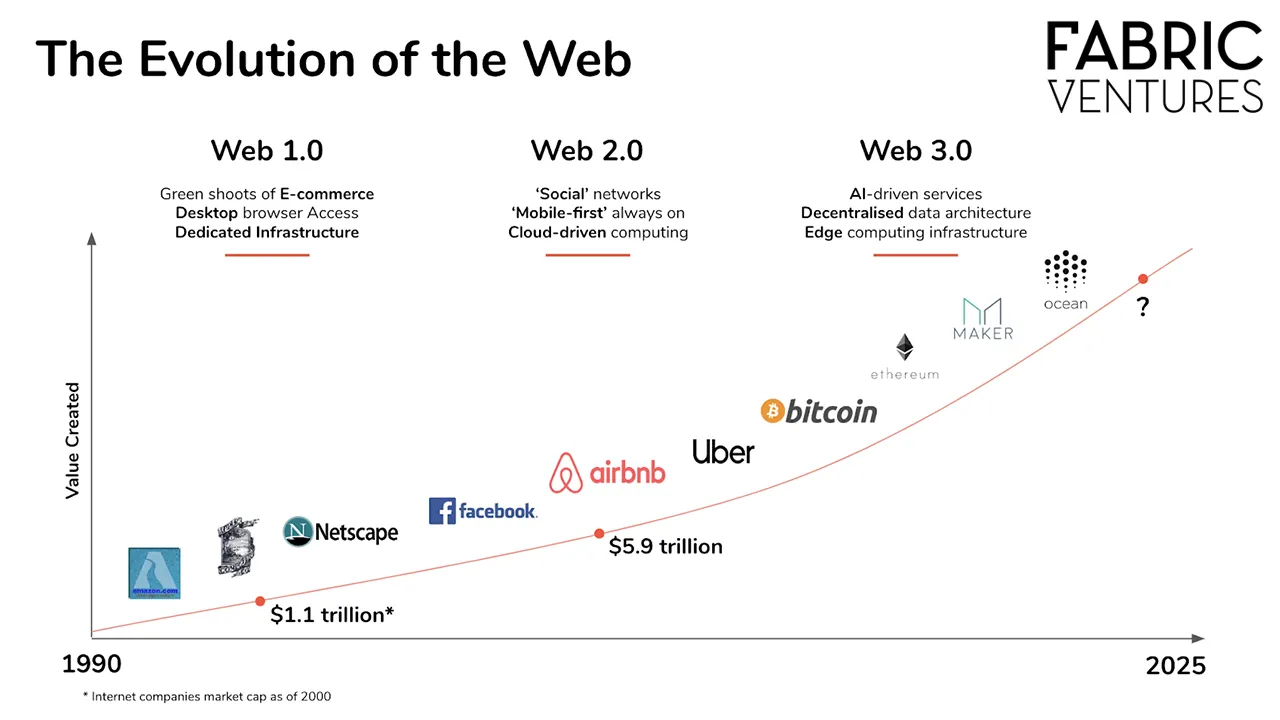
Source: Fabric Ventures
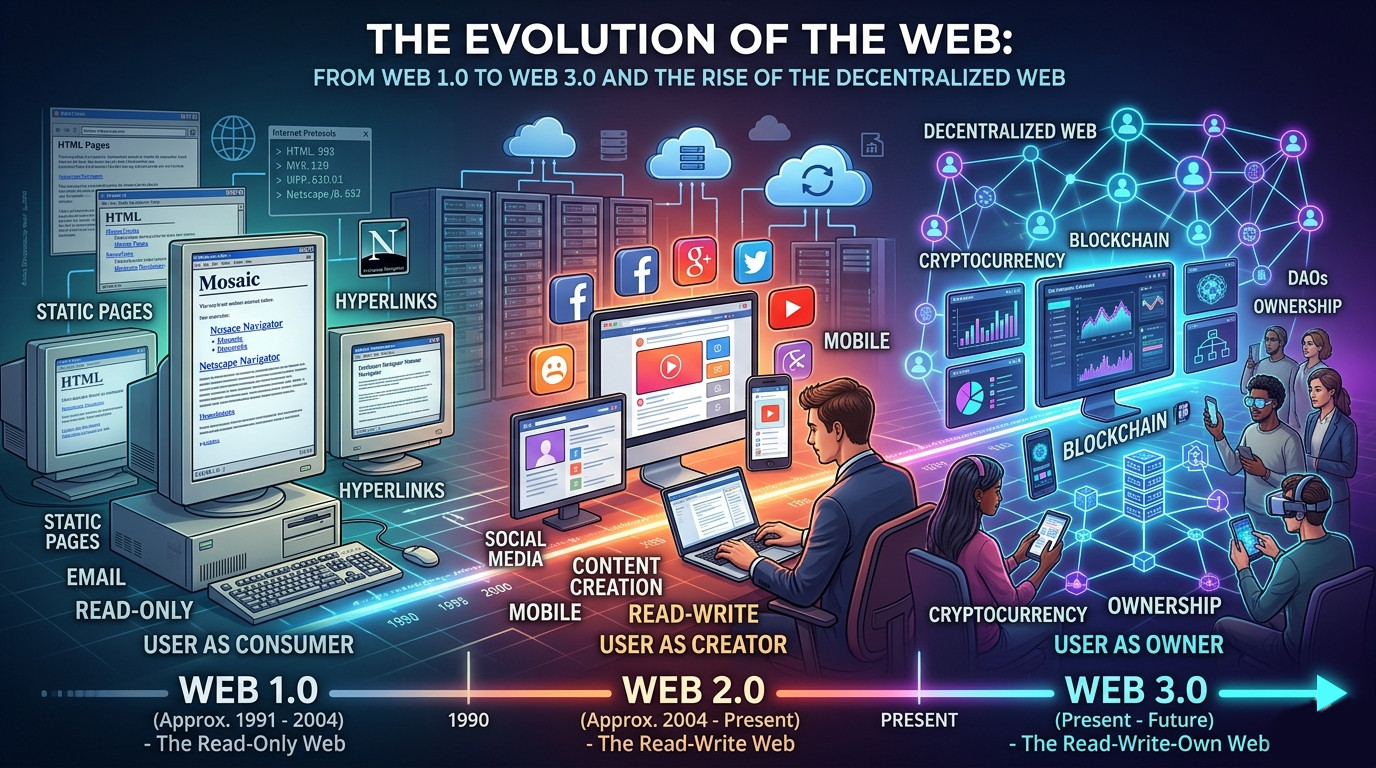
The internet has undergone a remarkable transformation since its inception, evolving through various stages that have fundamentally changed how we interact with information and each other. This evolution can be categorized into three main phases: Web 1.0, Web 2.0, and the emerging Web 3.0. Each phase represents a significant shift in technology, user engagement, and the overall structure of the web. In this blog, we will explore these phases and delve into the concept of the decentralized web that is gaining traction in the current digital landscape.
As we move further into the 21st century, the landscape of web development continues to evolve at an unprecedented pace. With advancements in technology, user expectations, and the digital ecosystem, web development is set to undergo significant transformations by 2025. In this blog, we will explore the key trends that are shaping the future of web development and what developers, businesses, and users can expect in the coming years.
Web 1.0: The Static Web
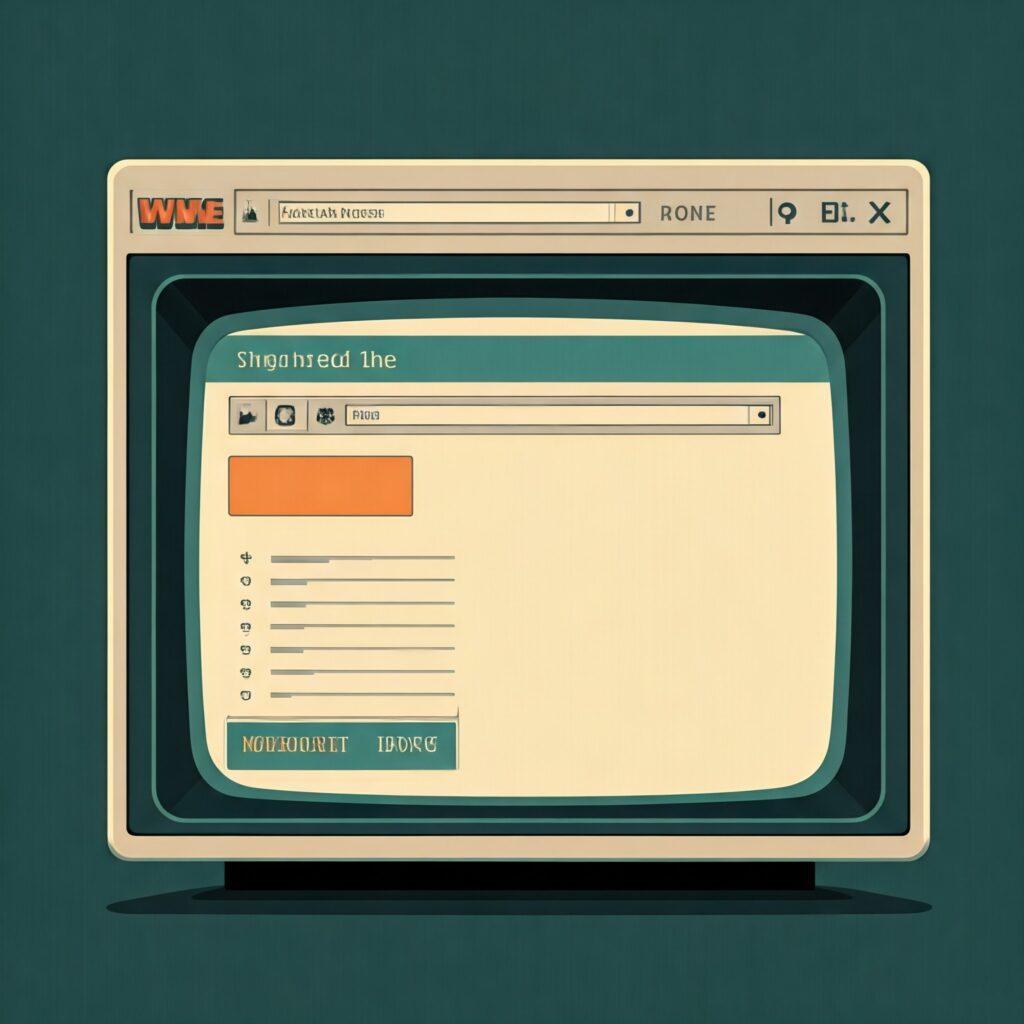
Web 1.0, often referred to as the “static web,” represents the early days of the internet, roughly from the early 1990s to the early 2000s. During this phase, websites were primarily informational and static, consisting of simple HTML pages with limited interactivity. Users could read content, but their ability to engage with it was minimal.
Characteristics of Web 1.0:
- Static Content: Websites were mostly read-only, with content that rarely changed. Users could access information, but there was little opportunity for interaction or user-generated content.
- Limited User Engagement: The web was primarily a one-way communication channel, where information flowed from creators to consumers without much feedback or interaction.
- Basic Design: Web design was rudimentary, with simple layouts and minimal multimedia elements. The focus was on delivering text-based information.
While Web 1.0 laid the foundation for the internet, it lacked the dynamic and interactive features that would come to define the next phase of web evolution.
Web 2.0: The Social Web
The transition to Web 2.0 marked a significant shift in how users interacted with the web. Emerging in the early 2000s, Web 2.0 introduced a more dynamic and participatory internet experience. This phase is characterized by user-generated content, social networking, and enhanced interactivity.
Characteristics of Web 2.0:
- User -Generated Content: Platforms like blogs, wikis, and social media allowed users to create and share their content, leading to a more collaborative online environment.
- Interactivity and Engagement: Websites became more interactive, with features such as comments, likes, and shares, enabling users to engage with content and each other.
- Rich Media: The introduction of multimedia elements, such as videos, images, and animations, transformed web design and user experience, making the web more visually appealing and engaging.
Web 2.0 revolutionized the way we communicate and share information, giving rise to social media giants like Facebook, Twitter, and YouTube. However, this phase also brought challenges, including concerns about data privacy, centralized control, and the monetization of user-generated content.
Web 3.0: The Semantic Web
As we move into the present and future, we are witnessing the emergence of Web 3.0, often referred to as the “semantic web.” This phase aims to create a more intelligent and interconnected web, where machines can understand and interpret data in a meaningful way.
Characteristics of Web 3.0:
- Decentralization: Web 3.0 emphasizes decentralization, allowing users to have greater control over their data and online identities. This shift is facilitated by blockchain technology and decentralized applications (dApps).
- Semantic Understanding: The semantic web aims to enhance the web’s ability to understand context and meaning, enabling more personalized and relevant user experiences. This involves the use of AI, machine learning, and natural language processing.
- Interoperability: Web 3.0 promotes interoperability between different platforms and applications, allowing seamless data exchange and collaboration across the internet.
The Decentralized Web: A New Paradigm
At the heart of Web 3.0 is the concept of the decentralized web, which seeks to address the limitations of centralized platforms that dominate the current internet landscape. The decentralized web aims to empower users by giving them control over their data and reducing reliance on intermediaries.
Key Features of the Decentralized Web:
- User Ownership: Users have ownership of their data and digital identities, reducing the risk of data breaches and misuse.
- Censorship Resistance: Decentralized platforms are less susceptible to censorship, allowing for free expression and open communication.
- Enhanced Privacy: With decentralized technologies, users can interact without revealing their personal information, enhancing privacy and security.
The decentralized web is still in its infancy, but it holds the potential to reshape the internet as we know it, fostering a more equitable and user-centric online experience.
Conclusion
The evolution of the web from Web 1.0 to Web 3.0 reflects the changing dynamics of technology, user engagement, and the digital landscape. As we embrace the decentralized web, we move towards a future where